
What makes you feel good? Yes, there is one obvious answer, but Clorox didn’t test that on YouTube. It did, however, pit cleaning against some other classic feel-good items – like coffee, ice cream, and a manicure.
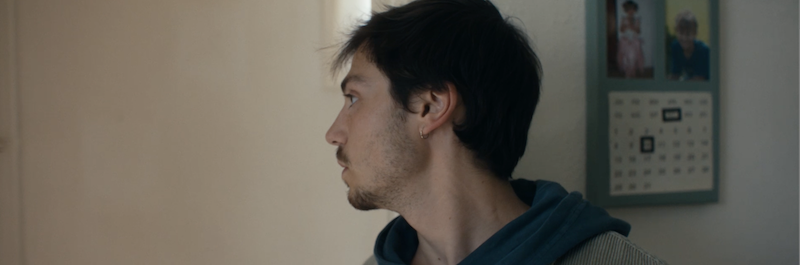
The experiment by Clorox Arabia and creative agency, You Experience, measured the brain activity of Kris Fade, founder of UAE healthy snack brand, Fade Fit, and Jood Aziz, actor and beauty and lifestyle influencer, while performing different “feel-good” activities. The experiment aimed to underline Clorox new brand positioning, Clean that rewards (previously, Clean that works).
It turns out that cleaning feels good. 54% more “good” than eating ice cream. And 20% better than coffee.
The campaign turned the experiment’s findings into The Feel Good Index, a proprietary metric that transformed emotional territory into scientific proof…and a campaign running across YouTube, OOH billboards, radio, Anghami (similar to Spotify), social media (TikTok, Meta, Pinterest) and e-commerce channels such as Amazon.
In YouTube, long-form films presented the experiment with credibility and intrigue, supported by snackable comparisons in TikTok and Meta, with scroll-stopping data points. Pinterest asked playful questions before flipping them with proof, and Amazon banners triggered purchase where “Clean feels GOOD” became both claim and call-to-action.
The campaign was built on the cultural insights that in the GCC, cleanliness is a visible marker of care, and for women balancing careers, homes, families and social expectations, clean represents order in a fast-moving world. It launched four months ago, and was revived this week with Eid versions.