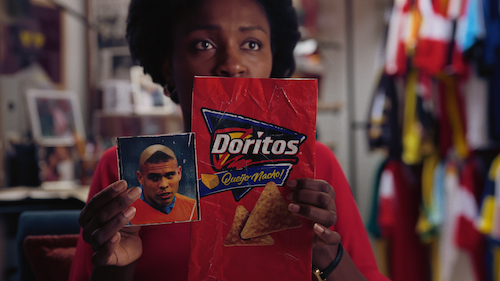

Doritos has staked a claim in modern history with a 12-minute film. AlmapBBDO’s The Triangle Theory combines two things humans love to share – a conspiracy theory and a sporting hero. And Doritos are supaglued to both. The Triangle Theory suggests that the Ronaldo Nazario’s legendary 2002 “half-moon” haircut was actually a triangle. The campaign blends nostalgia with investigative satire, and unfolds through “leaked” footage, sports commentary, and a 12-minute mockumentary that sits right on the edge between fact and fiction.
In the summer of 2002, Brazil’s Ronaldo Nazário took the pitch with a haircut that would become as legendary as his goals. For 24 years, the “half-moon” style was considered a tactical distraction to shift the media’s focus away from his injuries. Today, Doritos is rewriting that history with a bold proposition: It wasn’t a half-moon. It was a triangle.
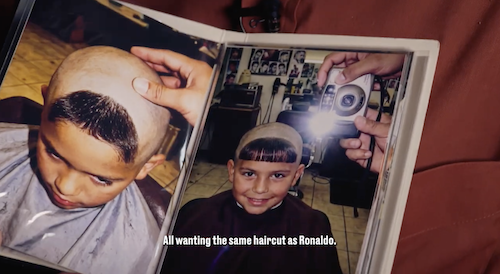
In a masterful display of cultural hacking, The PepsiCo chips have launched The Triangle Theory, a campaign that reframes one of football’s greatest visual mysteries as a “lost” marketing stunt from the early 2000s. By blending nostalgia with investigative satire, the brand suggests that its famous shape has been influencing global culture longer than anyone realised.
The campaign bypassed traditional advertising in favour of an earned media strategy. It began with “leaked” archival footage on social media, sparking a wildfire of conspiracy theories among fans from all the generations and football purists. The narrative gained mainstream legitimacy when TNT Sports dedicated segments to the “new evidence,” featuring experts and commentators debating whether the “Fenômeno” had been a secret brand ambassador all along.
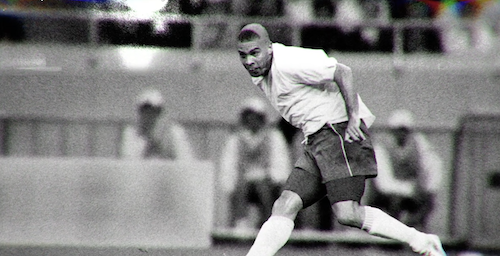
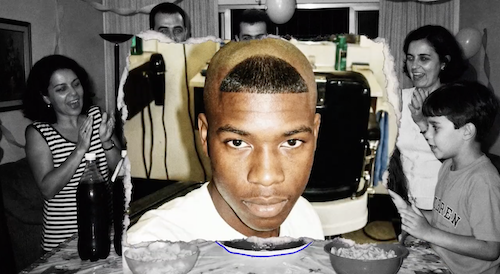
Then heart of the campaign launched – a 12-minute investigative mockumentary. Part thriller, part dry comedy, the film features interviews with sports historians, stylists, and Ronaldo himself. His performance sits perfectly on the edge of truth and fiction, leaving the audience with the ultimate question, “Could this actually be true?”
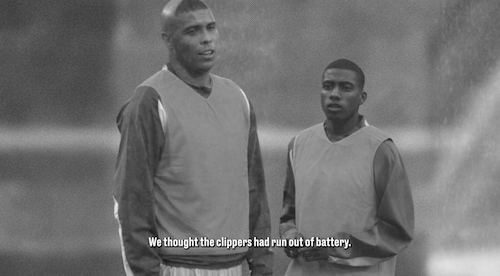
To seal the “theory,” Doritos released the Lost Ad of 2002 – a commercial meticulously crafted with the lo-fi aesthetic, grainy textures and vintage editing of the era. It’s a piece of brand entertainment that bridges two decades of identity through a single geometric shape.
“With The Triangle Theory’ we are betting on a creative narrative, leveraging the trending topic and exploring one of our brand’s core elements: the triangle,” stated Cecília Dias,marketing VP at PepsiCo Brazil. “Doritos has always had this bold essence, and by bringing Ronaldo into this campaign, we reinforce this brand value in an irreverent way.”