LOUD was given the job of helping the NSW Department of Liquor, Gaming and Racing’s Responsible Gambling Fund (RGF) encourage problem gamblers to seek help.
This is the story behind its straight talk approach:
The Stable: Where did the idea, “You’re stronger than you think” come from?
LOUD: Many problem gamblers suffer immense social stigma, with around half also suffering from anxiety and depression. Often asking for help is viewed as a weakness (especially by men, who make up most of the problem gambling population). The reality is that it takes immense strength to reach out for help. Many of these guys have life experiences that demonstrate they have what it takes to tackle major challenges. We are saying they can draw on those strengths to overcome their gambling problem.
TS: What were the restrictions that you encountered in developing and producing the creative?
LOUD: Being able to successfully access this market is a challenge. Even though there are some demographic trends, problem gamblers are sprinkled throughout society and they are silent in social media. The media agency has worked tirelessly to deliver a targeted channel strategy. Online, that means using complex data layering that will find our audience through their internet activity and deliver the campaign in environments where they’ll be receptive to the message.

Also, people outside our target audience who will also see this ad are not always sympathetic to problem gamblers. They see a gambling problem as self-inflicted, and only an issue for people who are weak-willed and selfish, which all contributes to the social stigma that prevents people seeking help.
TS: What were the decisions that led to the straight up execution?
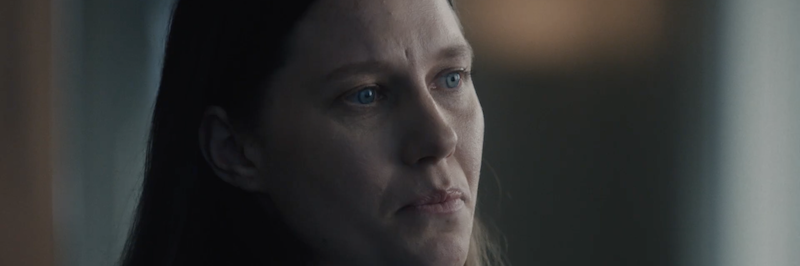
LOUD: Previous campaigns in this space often highlight the suffering of the problem gambler’s direct “victims”, e.g. family & friends. This approach has helped entrench the stigma and prevent problem gamblers putting their head above the parapet and reaching out for help. By contrast, this campaign – which we worked closely with Gambling Help counsellors to refine – takes an inspirational, motivational tone, conveying to problem gamblers in a simple, heart-felt way that they are strong enough to get help and that the help is easy to access.
TS: Cause advertising and PSAs are the now big thing in adland. How difficult is it to make an impact in a crowded environment?
LOUD: Often in these categories and especially when online, campaigns go out of their way to shock or overwhelm viewers into engagement. So it was almost a case of taking the opposite tack, tapping into a more emotive and empathetic space. The Powderfinger track turned out to be the perfect accompaniment to our storyline.
TS: If changing behaviour is the goal of advertising, then changing addictive behaviour is the torture test. What were your expectations/goals re effectiveness? How did the fact that gambling is an addiction shape the creative?
LOUD: Our primary objective is to see an increase in problem gamblers reaching out for help – either by contacting the helpline, going online, contacting a counsellor or even approaching a family member or friend. We also think the ad can help people who know someone with a gambling problem to raise the issue with them.

With all addictions, there is no quick fix to stop. But the key is to be visible with a relatable message when that person reaches the crunch point in their life. The force of a motivating, non-judgmental offer of help is just what they need to push them into action. The first step to ask for help, and to do this you need to have the courage and belief you can change. This is even more so the case with problem gambling given the shame felt, and also the perceived negative reaction they could encounter for doing so.
TS: Of all the PSAs you’ve watched in the last year, which stand out and why?
LOUD: Animals Australia, Make it Possible…
…Not because LOUD created it but because it’s a positive approach to an issue where advertisers often use clichéd images of suffering animals in the hope that it will trigger people in to action. While there’s often a need to include some imagery there’s a bigger need to let people know they can genuinely make a positive contribution to the solution.
This has been a game changer in animal welfare campaigning and hugely successful in terms of acquiring supporters and forcing industry to change their practices.
You might also like