Adland loves to do pro-bono campaigns for charities and cause-related organisations. Clearly. In the last five years, more than 65% of winning entries for Australia at major creative award shows are for charities or pro-bono organisations. A while ago, the job of advertising was to make brands thrive, not save the world. A new breed of consultants hasn’t forgotten and has begun to move in. Have agencies made themselves vulnerable by getting distracted creating campaigns for charities to win awards? Are they writing themselves out of their own future by giving away their best work for free?
Let’s find out, shall we?
David Ponce de Leon, executive creative director, Ogilvy Melbourne
Dead dogs. Dead cats. Dead elephants. Dead whales. Dead oceans. Dead islands. Dead forests. Dead planet. Deadly (or seriously debilitating) diseases. Dead humans.
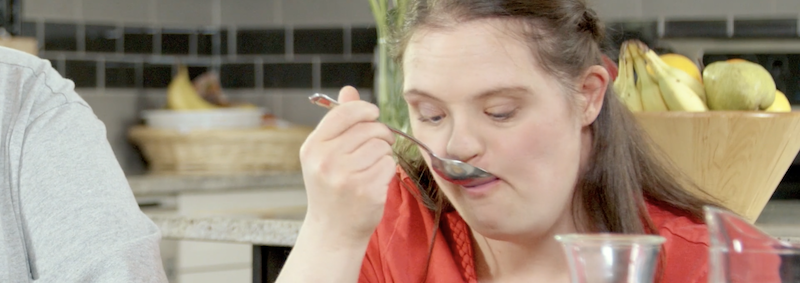
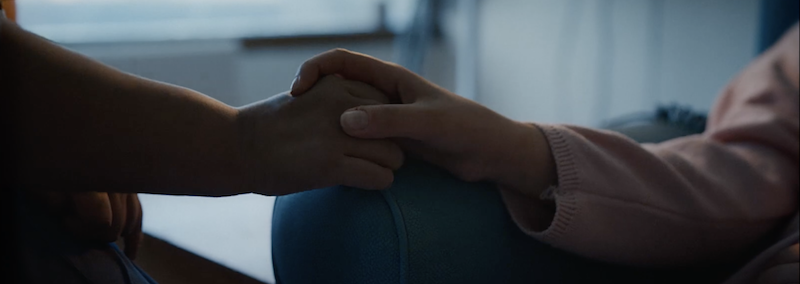
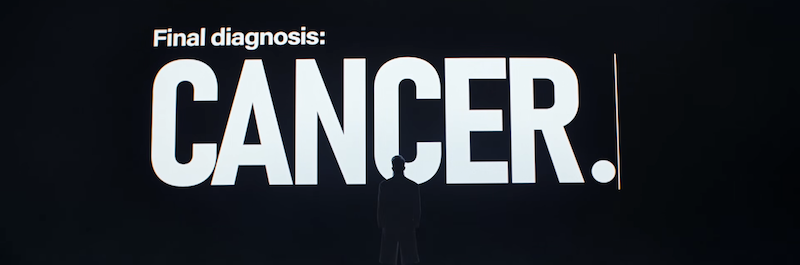
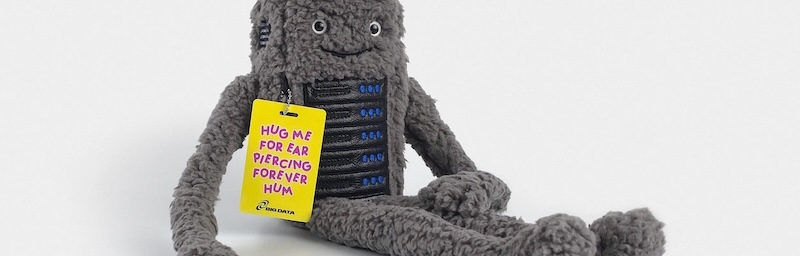
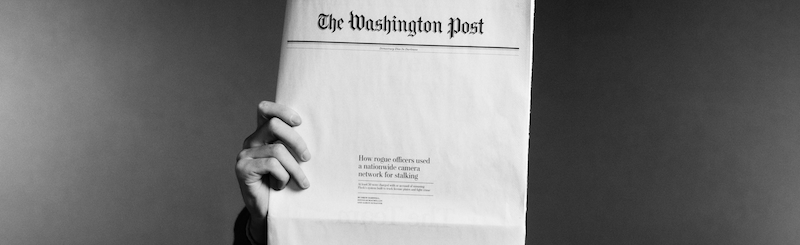
Death or the threat of death (or permanent disability) exerts such power and fascination over us mere mortals that the scant insinuation of its possibility makes it truly irresistible to award juries. Even death itself was the subject of a recently multi-awarded campaign. See supporting image.
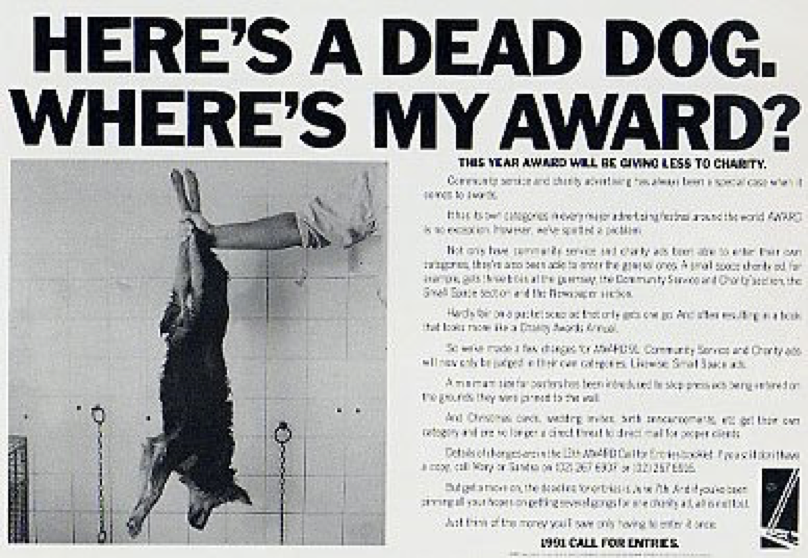
But, while we’re busy saving the world from imminent death, are our brands actually dying?
65% of all awarded entries coming from charity or cause-related organisations is an alarming number by any measure. Judging by the latest international award results, one could be led to believe that the percentage is actually much higher.
Personally, I don’t have anything against charities or causes. And I’m definitely not one to tell anyone what to do with their own time, money and effort especially when their intentions are good.
However, as an industry, it will be disingenuous of us to think that this kind of work is actually helping agencies gain more clout or influence in a cynical and cost-cutting business community. A business community whom, I believe, doesn’t regard us anymore as the creative and ingenious solution providers to the great business problems of the world that we once were considered to be.
I would rather see Australia produce its biggest, boldest work for its biggest and bravest brands.
Cannes created a category called Lions for Good, which exclusively awards pro-bono work. However, this kind of work can still be entered in other media categories (Film, Integrated, Digital, Mobile), which gives the work the opportunity to double-dip or triple-dip and win again. Thus, the reason the percentage of award winning pro-bono campaigns is so high. My belief is charities that enter the Lions for Good category should be excluded completely from other media categories.
But the step change will really be for agencies and individuals to realise that this kind of work makes for very little gain apart from a full heart and a fuller trophy cabinet.
And my feeling is that agencies that revel in this sort of work are after the latter rather than the former.
Tim Lindsay, chief creative officer, D&AD
‘There’s no question that an obsession with awards has distracted the advertising industry and here’s why.
The hardest job in in our business is to do good work for big clients spending real money.
Conversely, it’s a lot easier when the client is small, grateful for the attentions of a big agency and doesn’t have to worry about sales, shareholders and ROI.
So NGOs and charities have always attracted the attention of agencies wanting to strut their stuff. No problems with that.
Fast forward to today’s business environment, where a real desire to “do well by doing good” has, thankfully, taken hold and where many companies, big and small, are seeking to prosper by doing the right thing by their suppliers, their workers and the environment, as well as their customers.
Much of the work done for these companies – we know who they are – is wonderful. And is a demonstration that the sweet spot – the convergence of the profit and sustainability agendas – is readily achievable.
But equally, a lot of the work falls short, advancing purpose at the expense of a proper strategy, relevance and clear messaging, done without an understanding of what’s required and, often, for the wrong reasons.
We know who these companies are too.
The obvious scam is still there and is still obvious.
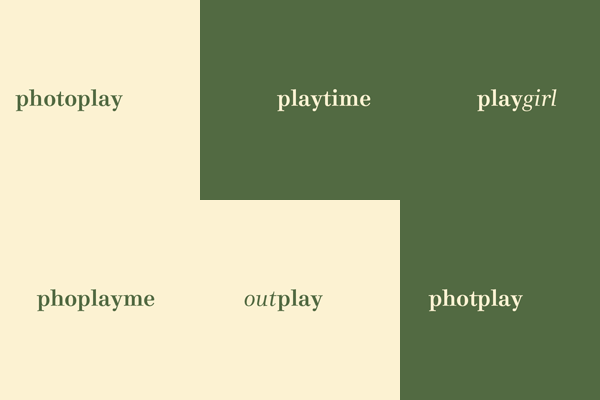
Step forward ads for board games, typewriter correction fluid, adhesives, gun control and a certain fund connected to wildlife.
But the other stuff, the work that obeys the letter of the law but breaks the spirit, which is in effect insincerely jumping on a bandwagon, is pretty prevalent, and has undoubtedly attracted the attention of people outside the industry who think they might be able to do a more commercial job.
Our industry has the skills and talent to make creativity a force for good in a world which needs all our help.
But we need to apply those talents in pursuit of real goals in order to create better outcomes – commercially, politically, socially, culturally, environmentally.
Which is why it’s a refreshing joy when an unashamed ad for a massive detergent brand wins a Black Pencil.
It reminds us who we are, what we do and, importantly, how we get paid.
Mike Spirkovksi, chief creative officer, Saatchi & Saatchi Australia

If you can’t make “big brands thrive” and attempt to help the world at the same time, I feel you might be extinct soon.
Pro-bono work has always played a significant role in our industry and is our way of giving back. Whilst I agree there are a lot of charity campaigns in market, there are also thousands of new charities being formed each year.
The word pro-bono seems like a dirty word these days thanks to certain individuals and organisations who have, unfortunately, given our industry a bad name through making very specific award focussed work that happens to be pro-bono.
Pro-bono and charity clients themselves use the “awards” aspect as a way of encouraging agencies to go all out and write the best work of their lives and is therefore self-perpetuated. If the work is truly amazing, and if it works with great results, everyone is happy.
As an industry, we all have a social responsibility to do all we can to help the less fortunate or our environment as much as possible and we should never give up trying. This goes for big and powerful global brands who need to do the same or they’ll end up on an extinction list like certain cultures, forests and animals.
The next generation certainly won’t be so forgiving to the brands who force cheap labour, pollute our planet and drain its natural resources. All brands have a social responsibility to do better. It’s what consumers (now more than ever) demand of brands. I would argue that it’s in everyone’s best interest to do good because doing good is good for business.
Consultants, just like the rest of us, are connected to the same ecosystem. I find it hard to believe they are doing something different given we all look after the same big brands, who all need help with a baseline of brand strategy, digital transformation, innovation etc. All brands have a social responsibility, so if consultants aren’t working on so-called charity right now, they will be soon enough. They may even find a way to make more money out of it than us mere mortals.
I think charging commercial rates to a charity when they are often desperate for help doesn’t feel right to me. Our industry is worth approx. $16 billion so I’m sure we can spare some of our time and expertise for free, or minimum cost. Even consultants should lend a hand from time to time.
All I know is that if just one pro-bono or charity campaign makes a difference to someone’s life for the better, or helps prevent further destruction to the environment, then that’s a good thing. For now, I’m going back to what we always do, helping our big brands thrive, whilst doing a little good for the world.
Nick Cummins, creative partner, The Royals
Advertising changed for me in 1999. It was the year I left Y&R and started an online agency called Sputnik. I started an online agency because I was amazed by the internet and excited about what brands could potentially do on it.
Back then it was kinda like the wild west. There were no rules and people were running out and staking a claim to all sorts of territories. One of the things I was most excited about was what the explosion of the internet meant for charities. Finally, you didn’t need a huge media budget to get your message across. Surely this was going to change things forever.
But sadly, I don’t believe charities have benefited from the democratisation of the media landscape as much as I’d originally hoped. And I’m not sure agencies are helping. If you look at the award shows, yes, there are a lot of very clever ideas, but they feel like just that. Clever for clever’s sake. Clever for awards’ sake. I still feel agencies can help solve world problems, but they need to be motivated by just that and not awards. And brands can do their part as well – as long as it isn’t just charity washing. Our latest campaign for Mercedes-Benz X-Class is, I believe, a great example of this. Check it out at http://hungerforglory.com/toughconversations/.
So, I think the future is exciting for both agencies and charities, as long as we can truly detox from the sugar fix of awards. I love awards and most creative people need them. God knows, it’s nice to receive the occasional pat on the back in some form. So, if we can focus on making a strategic and positive impact where we can, and if we can hustle to implement these solutions and hopefully create real impactful positive change, then we can celebrate once we have done it. And yes, award shows should be part of that celebration.