A couple of years ago, Grey Group Australia was looking a bit poorly. Following the STW and WPP merger, it moved into WPP’s Sydney and Melbourne offices with its new sibling, The White Agency. Yes, there were teething troubles at the top. In fact, both men at the top left eventually. But beneath them, something good was happening. The White Agencies tech-y thinking was working with Grey’s creative thinking, and that was beginning to produce great thinking. The agencies merged officially in March 2017. The co-CEOs, Worboys and Joyce left one year later, and WPP lured Lee Simpson, managing partner of M&C Saatchi at the time, to the agency to become CEO.
Simpson arrived with a bag full of ideas about what a great agency should be and most importantly, an understanding of what whiteGREY was great at. He realised that Its fusion of technology and creativity in equal measure was the foundation for the kind of advertising its clients needed – in fact, what advertising agencies need in this muddled up new age ad environment, where the TVC is no longer king (or queen – boys’ club thinking is also dying). And executive creative director, Chad Mackenzie, was clever enough to grasp that this meant the agency’s social media clients could benefit by work that began with a solid strategic brand platform and its creative clients could benefit from media agnostic expertise.
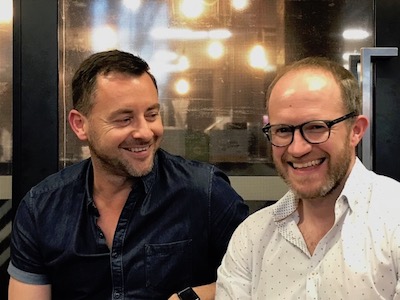
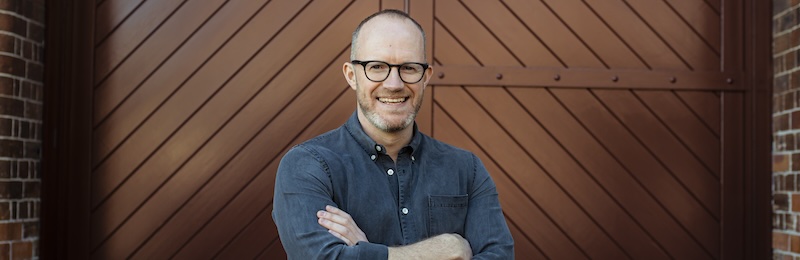
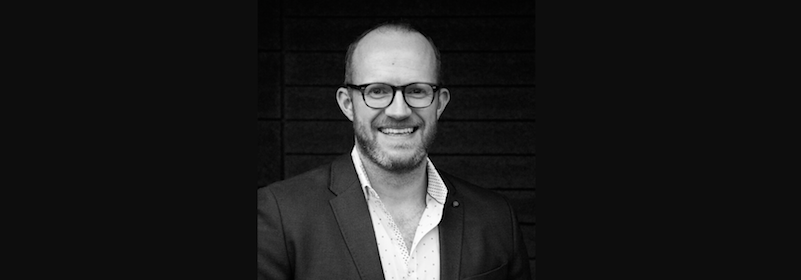
l-r: Chad Mackenzie & Lee Simpson
Simpson saw that the tension produced when different perspectives come to the same project challenges ideas and make them better. This, he turned into both the selling proposition for his agency and the basis of his ground rules – OK, ideals – for how whiteGREY people should work. “If you have a seat at the table, you have a point of view. Respectfully,” is one. Any idea can be challenged at whiteGREY, even one of Simpson’s. But if you turn up empty handed, don’t turn up. “We like smart clients who disagree with us,” is another, but whiteGREY doesn’t allow clients to get too cocky. One of the most important insights Simpson brought with him is that “your biggest competitor doesn’t exist yet”. Uber, Airbnb and Alibaba have already shown that, and they’re not immune to threat themselves. The idea also keeps the agency, itself, looking forward. So far, producing work that’s anything but traditional seems to be working pretty well.
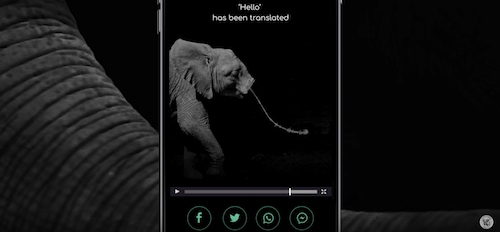
Hello in Elephant for the David Sheldrick Wildlife Trust has already been awarded at this year’s Cannes and the APAC Effies. It’s also up for an Effie (tonight, August 30), and an IPA award in the UK. It began with the problem that elephants are still declining although poaching has almost entirely been solved. The conversation about elephants needed to change. The problem is no longer them – the poachers – but us – we humans, who cohabit with elephants in a disrespectful way. So the agency translated the language elephants use into English because you have to respect the needs of something you can talk to. Moreover, the idea wowed the world’s media. Self-appointed “influencers” helped the campaign to spread across the globe.
https://youtu.be/yzscUj7uAqs
Then there’s the recent Royal Caribbean campaign, #cruisechallengeaccepted, with Celeste Barber. It’s hilariously effective. And even if you’ve seen as many cruise ship ads as I, or any other Australian, have you’re still likely to remember the name of this cruise line. The campaign is wildly different and entertaining first. Neither of these are characteristics of the sector.
whiteGREY: You just can’t rival what a Royal Caribbean cruise offers
There’s the Living Seawall that Volvo built (out of recycled plastic), which makes what Volvo has always stood for – safety for human beings and being a champion of sustainability – real for everyday people in a way that producing and promoting another new car gizmo never will.
whiteGREY: Volvo uses recycled plastic to build a living seawall for Sydney Harbour
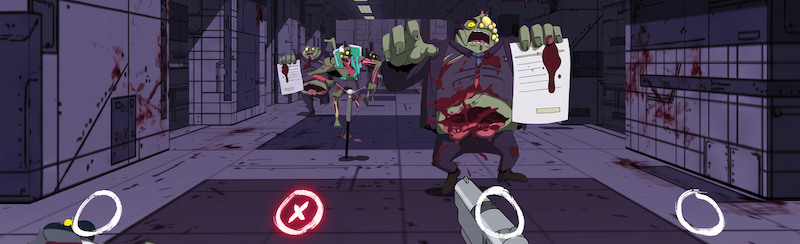
And lastly – for the purposes of this story – but by no means least, there’s the brilliance of recognising the power of Facebook’s just developed technology, automatic tagging through facial recognition, and appropriating it to create a worldwide missing persons campaign with game-changing power for MPAN – Invisible Friends. It was the only Australian entry to win a Lion in Mobile at Cannes.
Watch how that campaign works:
You might also like