A cynic might say that promoting women, women’s athleticism and women’s right to play sport throughout the world is good for Nike business. And it is. India, Turkey, the Middle East and Russia are emerging – and potentially hugely profitable – markets as far as Nike Women is concerned. China is a massive market.
But you can’t knock a business that is doing such thoughtful, provocative and important work for women.
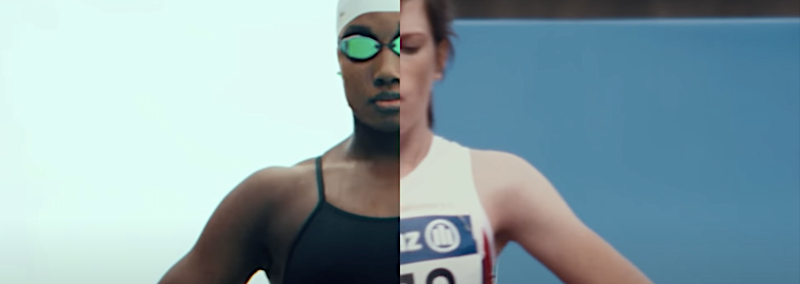
On the eve of International Women’s Day, Nike Women has released three more films that challenge gender stereotypes – one in Russia, one in Turkey and one in the Middle East. Each is quickly racking up views – one would hope mostly in their home regions.
The films are all by Wieden & Kennedy Amsterdam and the Middle East film coincides with the launch of the Nike Pro Hijab, a hijab for Muslim female athletes, that will come in three colours – black, vast grey and obsidian – and is made of light, stretchy fabric that includes tiny holes for breathability and an elongated back so it will not come untucked.
The film, directed by Fleur Fortuné through Division, centres around the question, “What will they say about you?”, and shows women exercising as well as some of the reactions (disapproval) that receives. It features professional and everyday athletes from the Arab region including Parkour trainer, Amal Mourad; figure skater, Zahra Lari; pop singer Balquees Fathi; fencer Inès Boubakri and boxer Arifa Bseiso.
The Turkish film, which is underscored by Beyonce’s Runs the World (Girls), was directed by Christopher Barrett and Luke Taylor through Academy and also features prominent female figures from Turkey’s emerging sport and fitness scene.
The Russian ad was directed by David Wilson through Riff Raff and features an angelic young singer, who is inspired to change her sweet lyrics about what girls are made of by the well-known Russian athletes who appear throughout the spot.
Wieden + Kennedy Amsterdam creative directors, Craig Williams and Al Merry, outlined the campaigns objective in their statement, “In some parts of the world, what’s daunting about sport for women is how they look in their exercise pants. In the regions we worked in, what was more daunting, was societal expectations, gender discrimination, community pressure and the weight of traditions. Those are the barriers we tried to help break down, in order to clear the way for women to play sport.”
The films were prefaced in February by this work for equality: