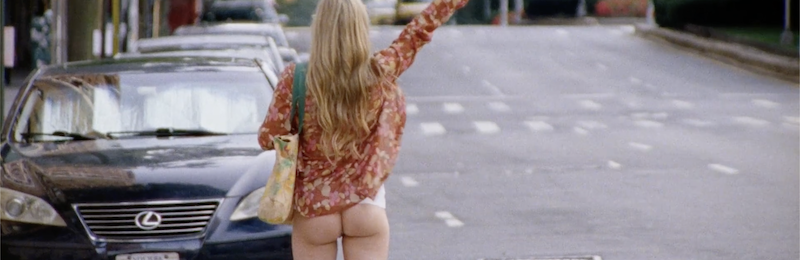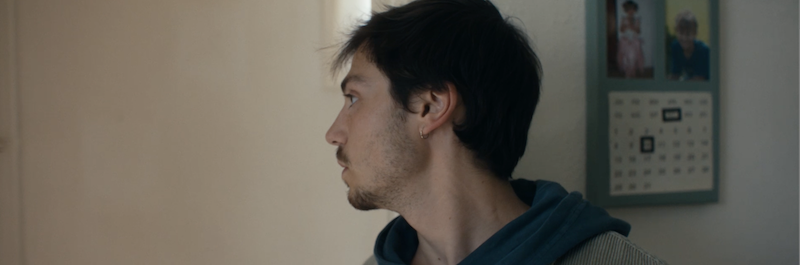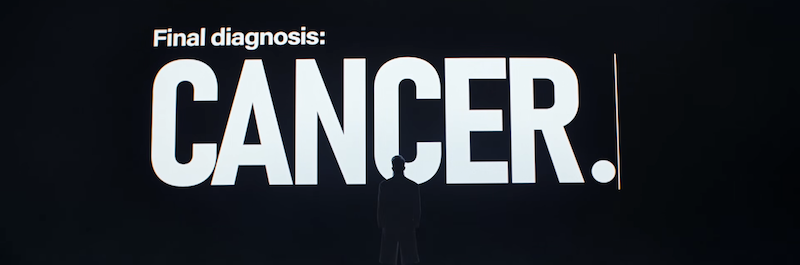
Barnardos is a stalwart Australian charity. Every Australian knows its name. But so many Australians take it for granted that the organisation just does its job. Barnardos has “no advertising budget” to change that. Amy Lee-Hopkins, brand and reputation manager at Barnardos and Andrew Jones, senior art director at Ikon talked to The Stable about how they did it.
The Stable: Amy, What are the biggest challenges you face right now?
Amy Lee-Hopkins: We need more donations to help stop child abuse and fund our prevention programs, such as family and domestic violence support, mental health support, emergency accommodation, parent education, and counselling.
TS: What are the biggest communications/message challenges you face?
Amy Lee-Hopkins: We have no advertising budget – unlike many other charities.
It’s also difficult to engage Australians about the problem of child abuse happening in our own backyard. Communicating about the work we do – which is very complex and by no means a quick fix – can be hard for people to understand and make tangible.
The final challenge for us is putting the child back into the conversation and removing blame or judgements or other excuses people make not to donate, without offending them.
TS: The plight of refugee children is getting a lot of attention in online advertising and news media. How has this affected you job?
AL-H: Not at all. We help refugee children through our programs – so this is still the same message for us – to help support families through our prevention programs in order to stop child abuse and give children a safe, stable, nurturing home.
TS: Andrew, Cause advertising is very popular. Is adland saturating the market, making it harder to get through?
Andrew Jones: The growing amount of varying charities and the cause related advertising that comes with them not only makes it harder to be heard but it also creates new challenges in how to be effective in the hunt for the charity dollar. We understand that people can’t give to every cause worthy of support, so it comes down to refining the way we communicate our cause.
TS: Brands played a huge part – and did very well – at D&AD in Creativity for Good. Judge, Richard Bullock said, “I was reviewing conceptual design ideas, innovations, social behaviour change, movements…things that were so much bigger and more complex than a show about ads for good causes. It was much deeper than that.” Do charities need to up their game?
AJ: It’s amazing. Due to the competitive nature of trying to remain relevant in an increasingly saturated charity market and trying to spend as little money as possible while doing it, we are seeing more and more brilliant ideas due to the fact you’re forced to think outside the box to succeed.
TS: What do you think are essential ingredients for effective cause advertising?
AJ: Clearly communicating what you do as a cause or charity and how people can help, as simply and succinctly as possible.
TS: Where did the idea for the Barnardos campaign come from?
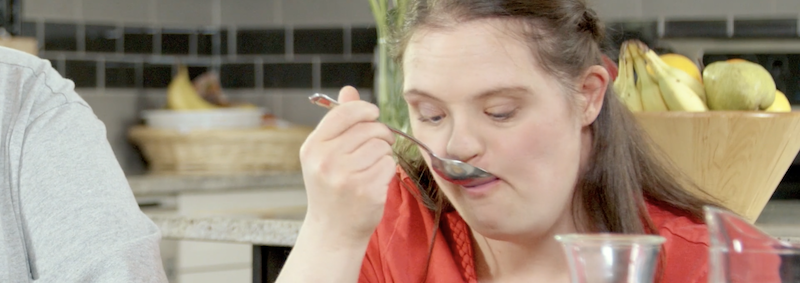
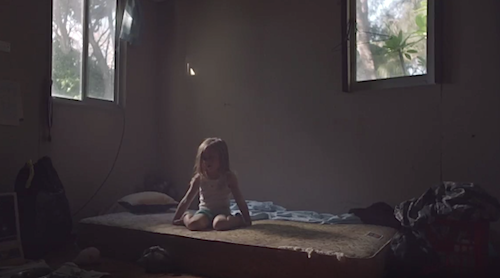
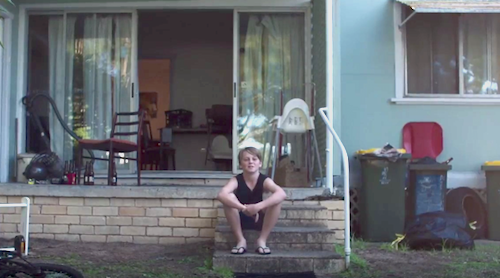
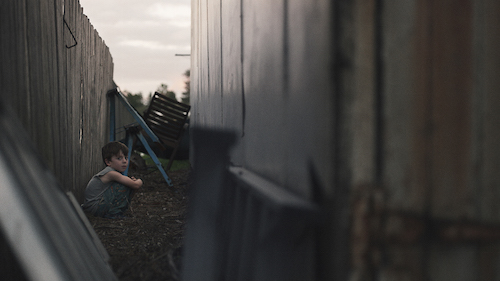
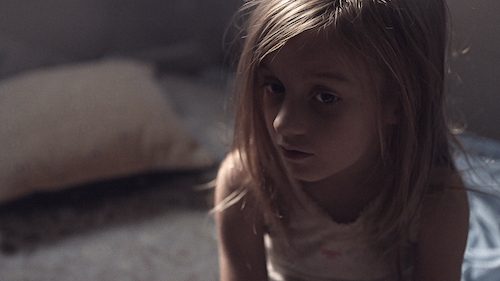
AJ: It came from discussing comments that were made during research about the charities Australian’s support and why local kids just weren’t seen as a priority. We wanted to communicate how these commonly regarded thoughts were far from the truth and when recontextualised via their delivery, go from being flippant remarks to quite shocking ones.
TS: You chose a classic TVC…your reasons?
AJ: The campaign is lead by a TVC and 40 second web film, but we also produced digital banners and outdoor placements donated by Adshel. Social media played a large roll in spreading the film online with the advantage of having Barnardos high profile ambassadors happy to help share and support the cause. We felt that by using film we could capture the emotion of the children, and it also allowed us to take advantage of the TV networks’ quota of free airtime to registered charities. Plus TV provided more reach, to let Australia know who Barnardos are and what they stand for.
TS: What cause campaigns (globally) in the last few years have had a particular impact on you?
AJ: I loved the Greenpeace campaign, A New Warrior, by DDB Paris a few years ago. The aim was to raise funds for a new Rainbow Warrior ship. DDB created a site where people could go through the design of the new boat and purchase some of the 400,000 plus parts and fittings needed to build the boat. In return, they were sent certificates of ownership. They raised all of the funds needed to build their new ship using a simple yet brilliant idea that made it tangible for people to know where their money was going and how exactly they were helping the cause.
Read Cause Advertising: It’s all good, isn’t it? Parts 1 & 3
Cause Advertising: It’s all good, isn’t it? PART 1: Interview with J.Walter Thompson & MQFF
Cause advertising: It’s all good, isn’t it? Part 3. Ogilvy Sydney & NBCF