“The budget is nothing, but that just means you’ll have to be a whole lot more creative.” These are not the best words you’ll ever hear in a brief. This is the 3rd in The Stable’s series of interviews exploring cause advertising. One theme is constant. It’s “an incredibly difficult task when you’re relying on tiny budgets.” [Rob Morrison, creative director, Ogilvy Sydney]
The Stable talked to Hannah Turner, general manager, marketing, NBCF and Rob Morrison, about trying making the National Breast Cancer Foundation’s work matter to people, when you’re also not the only cancer charity in town.
The Stable: Hannah, what are the biggest challenges you face right now?
Hannah Turner: The world in general, and Australia specifically, are suffering from “cause fatigue”.
It seems like every day there’s a big corporate brand launching a community based project to boost their public perception – which doesn’t flow on to donations. The trouble is, consumers blend their messages with the true charity asks for funds. It all becomes noise.
TS: Rob, cause advertising is very popular. Is adland saturating the market, making it harder to get through?
Rob Morrison: In short, yes.
Adland – and our clients – have seen cause related marketing as a way of delivering a point of difference. In our socially connected world, brands need to be authentic. One way of doing that is to grab hold of an issue and show their efforts to help solve it, like Dove’s Campaign for Real Beauty.
TS: Hannah, what are the biggest communications/message challenges you face?
HT: In Australia alone, there are multiple breast cancer charities and even more cancer charities. So we need to differentiate ourselves and then raise more money for research. An incredibly difficult task when you’re relying on tiny budgets, donated media and pro bono agency relationships.
TS: Rob, brands played a huge part – and did very well – at D&AD in Creativity for Good. Judge, Richard Bullock said, “I was reviewing conceptual design ideas, innovations, social behaviour change, movements… things that were so much bigger and more complex than a show about ads for good causes. It was much deeper than that.” Do charities/NFP’s need to up their game?
RM: This is a classic Catch 22.
Charities in Australia are not commercial clients for agencies. So they tend to go “cap in hand” to any agency partner who is prepared to do their work. As it’s become tougher and tougher to make money in adland, the “nice to have” projects are becoming more difficult to justify.
Of course, one justification is awards. Charities can’t pay for work so, the return agencies can enjoy is metal in various global award shows. Unfortunately, we have seen the end objectives sacrificed to make the work more “award friendly”.
TS: What do you think are essential ingredients for effective cause advertising?
RM: Emotion is critical.
But it has to be the right type of emotion. Almost without exception, what charities do is a natural home for emotion – looking after the elderly, curing sickness, rescuing animals.
What doesn’t happen nearly so well is linking that emotion to an action. What can the individual “do” to help? Sometimes that’s put their hand in their pocket. Sometimes that’s spreading a message – like R U OK?
But without that action the advertising is simply ineffective.
TS: Where did the idea for the NBCF campaign come from?
RM: We all know someone who has had breast cancer.
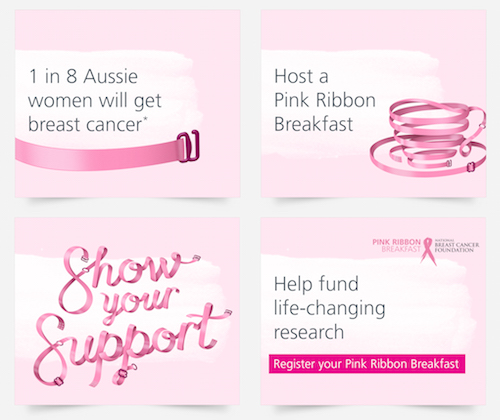
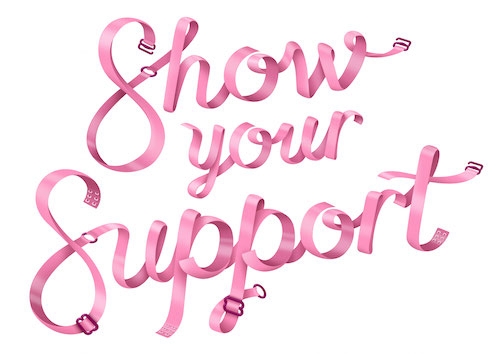
These women are strong. But their being strong on their own won’t find a cure. So the creative leap was to target the support network of those with breast cancer. To motivate those women. So we created a campaign that united women with the one thing they all wear every day.
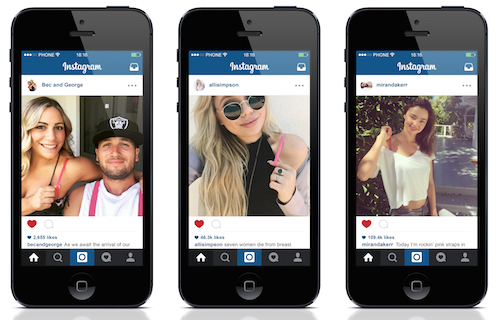
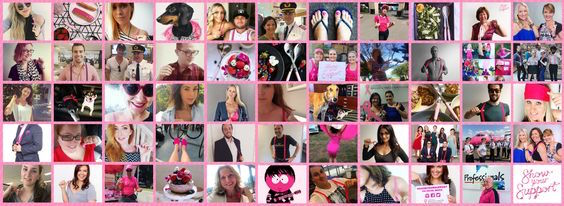
Throughout October, pink bra straps were available to buy at Pink Ribbon Breakfasts and some stores. Women all over Australia, including Australian supermodel, Miranda Kerr, then showed their support by literally showing their support. Social media was filled with selfies of women showing their bra strap and dedicating a donation to NBCF.
TS: What decisions led you to choose a social campaign?
RM: The type of campaign is ultimately governed by budget.
We needed to squeeze every last impact out of every last dollar we spent this year. NBCF had run Pink Ribbon Breakfasts for several years, so there were existing media relationships which we could leverage.
The new element was social. By asking high profile, heavily followed celebrities, like Miranda Kerr, to get onboard we pushed this year’s campaign to new heights of success.
TS: What cause campaigns (globally) in the last few years have had a particular impact on you?
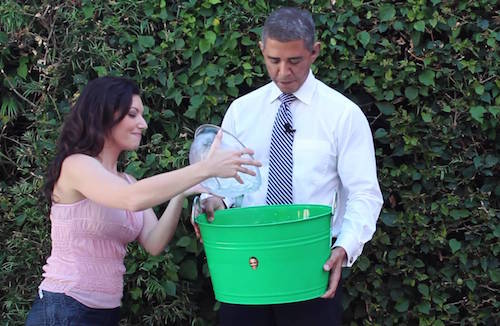
RM: The ALS Ice-bucket challenge has become the poster child for all cause-related ideas (and commercial ideas to be honest).
The viral nature of it. The simplicity of the action. That it was relevant to the disease – Motor Neuron Disease shuts your body down just like the ice does. It was cleverly linked to a donation. And the fact it earned US$220 million for research means it’s the envy of us all.
Read Cause advertising: It’s all good, isn’t it? Parts 1 & 2:
Cause Advertising: It’s all good, isn’t it? PART 1: Interview with J.Walter Thompson & MQFF
Cause Advertising: It’s all good, isn’t it? Part 2. Interview with Barnardos and Ikon